For runners, few things are as consistently frustrating as untied shoelaces. That moment of interruption—the pause to retie, the potential for tripping, the broken rhythm—can detract from an otherwise perfect run. While the humble shoelace knot is a marvel of simple engineering, the dynamic, repetitive motion of running presents a unique challenge that the standard bow often can't withstand. This has led to a fascinating niche within running culture: the pursuit of the perfect, fail-safe knot. Beyond the basic bow, a world of intricate loops, wraps, and ties exists, each designed to combat the forces that work to unravel our shoes stride after stride.
The primary enemy of a secure knot is the combination of impact and inertia. Every time your foot strikes the ground, the laces experience a sharp jolt. Simultaneously, the swinging motion of the other leg and the general vibration of the body create a subtle, persistent pulling effect on the loose ends of the knot. The standard granny knot or square knot, while sufficient for a walk in the park, is simply not optimized to resist these specific, multidirectional forces. It slowly loosens, its friction grip weakening until it finally gives way. Understanding this is the first step toward a solution; the goal is not just to tie a knot, but to tie a knot that actively resists the particular physics of running.
One of the most revered techniques among seasoned runners is the Ian Knot, often touted as the "world's fastest shoelace knot." However, its true value for runners isn't just speed—it's security. The Ian Knot is a symmetrical, self-locking knot that results in a very low-profile finish. Because it lies flat and tight against the shoe, there's less loose material to whip around and come undone. The knot itself is a balanced reef knot structure, which is inherently more stable and less prone to slipping than the common granny knot many people accidentally tie. Mastering this knot can feel like learning a magic trick, but the payoff is a sleek, secure tie that often stays put for an entire run.
Another powerful method is the Surgeon's Loop or Double Knot variation. This isn't merely the childish tactic of tying two knots on top of each other. The effective version involves a specific modification to the standard bow-tying process. After forming the initial loop, you wrap the other lace around it not once, but twice before feeding it through to create the second loop. This double wrap dramatically increases the surface area and friction within the knot core. The increased friction means it requires significantly more force to pull the loops apart, effectively locking the knot in place against the vibrations of running. It's a simple upgrade to the classic technique that yields a massively more reliable result.
For those who struggle with knots coming undone no matter what they try, the Heel Lock Lacing method (also known as Runner's Loop or Lace Lock) can be a game-changer. This technique isn't just about the final knot; it's an integrated lacing strategy that enhances overall foot security and finishes with a supremely secure tie-off. The process involves using the top eyelets of the shoe to create two extra loops on either side. You then cross the laces and thread them through these opposite loops before tying your standard knot. This creates a locking mechanism that cinches the heel firmly into the back of the shoe, preventing slippage. The final knot, now securing this locked system, is under far less strain and is therefore much less likely to fail. It addresses the root cause of the problem—heel movement—which in turn protects the knot.
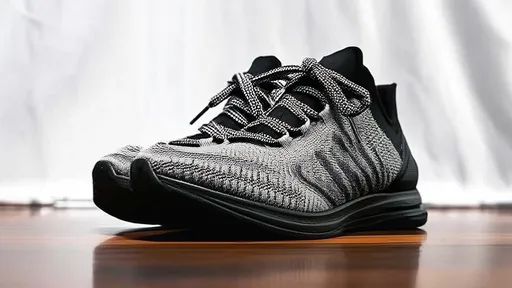
The type of lace itself plays a crucial supporting role in this battle against unraveling. Slick, polyester laces found on many fashion sneakers are designed for looks, not function; they lack the texture needed to maintain a strong frictional hold. Traditional cotton laces offer better grip but can absorb moisture and stretch over time. For the serious runner, flat, woven nylon laces are often the ideal choice. Their textured, ribbon-like structure provides exceptional grip within the knot, making any secure tying method even more effective. The material also tends to be durable and resistant to stretching, ensuring the knot's integrity remains consistent from the first mile to the last.
Beyond the act of tying, a little-known trick involves a simple spritz of water. Before a run, lightly moistening your tied knot can cause the fibers in the laces to swell slightly and grip each other more tightly. As the run progresses and the laces dry, they often set into this tightened position. It’s a small, almost old-school piece of advice passed down among marathoners and trail runners, a low-tech solution that can provide a surprising amount of extra security, especially on a long, demanding course where every variable counts.
The quest for the perfect knot is, in many ways, a microcosm of running itself. It's about seeking efficiency, eliminating distraction, and optimizing performance through attention to detail. A stray lace is more than a minor nuisance; it's a break in focus, a potential hazard, and a concession to chaos. Taking those extra few seconds to employ a Ian Knot, a Surgeon's Loop, or a Heel Lock system is an act of preparation. It’s a runner's quiet declaration that they have planned for the variables and are ready to fully commit to the rhythm of the road or trail without interruption. In the end, the most important piece of running gear isn't always the shoe or the watch—it's the confidence that your equipment won't fail you, starting from the ground up with a simple, secure knot.
By /Aug 26, 2025

By /Aug 26, 2025
By /Aug 26, 2025

By /Aug 26, 2025

By /Aug 26, 2025

By /Aug 26, 2025

By /Aug 26, 2025

By /Aug 26, 2025
By /Aug 26, 2025
By /Aug 26, 2025

By /Aug 26, 2025
By /Aug 26, 2025
By /Aug 26, 2025

By /Aug 26, 2025

By /Aug 26, 2025

By /Aug 26, 2025

By /Aug 26, 2025

By /Aug 26, 2025

By /Aug 26, 2025

By /Aug 26, 2025
