Balancing Comfort" and "Seal" of Mask Earloops - Enhancing Wear Compliance.

Aug 26, 2025 By

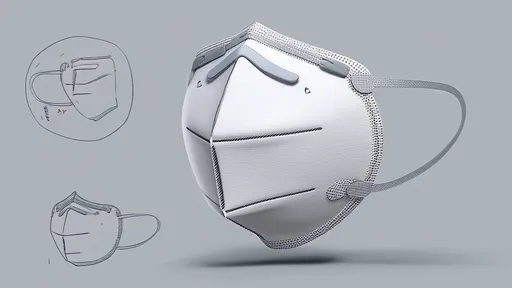
In the ongoing global conversation about public health measures, one seemingly simple item continues to present a complex challenge: the face mask. While their efficacy in reducing transmission of respiratory pathogens is well-established, a critical hurdle remains—user compliance. The single greatest factor determining whether a mask is worn consistently and correctly is not its filtration rating or its cost, but its wearability. This wearability hinges on a delicate and often overlooked engineering balance between two competing demands: the comfort of the ear loops and the seal they help to create. A mask that excels in sealing but causes pain behind the ears will be constantly adjusted or removed, negating its purpose. Conversely, a mask with incredibly comfortable, loose loops that gap at the cheeks is little more than a symbolic gesture. Achieving the optimal equilibrium between these two factors is the key to enhancing adherence and, by extension, public health outcomes.

The pursuit of superior sealing is driven by the fundamental mechanics of how masks work. A high-filtration material is only effective if air is forced to travel through it, rather than taking the path of least resistance around the edges. A proper seal ensures that inhaled and exhaled air is filtered. This is paramount for protecting both the wearer and those around them. To achieve this, ear loops must generate sufficient tension to pull the mask material snugly against the contours of the face, conforming to the bridge of the nose, the cheeks, and under the chin. This tension is a direct function of the loop's elasticity and its resting length. Materials with high elastane or spandex content can provide strong, consistent pull, molding the mask to create a near-airtight barrier. This is the gold standard for performance, often seen in medical-grade respirators like N95s, where a secure fit is a matter of professional safety.

However, this very tension that creates an effective seal is the primary source of discomfort. The human ear is simply not designed to bear sustained mechanical pressure. The skin behind the ears is sensitive, and the cartilaginous structure offers a poor anchor point for constant pulling. The result is a familiar litany of complaints: soreness and redness behind the ears, headaches triggered by pressure on the temporalis muscle, and general irritation that becomes all-consuming for the wearer. This discomfort is not a minor inconvenience; it is a significant barrier to compliance. When a mask becomes painful, the natural human response is to relieve that pain—by loosening the loops, hooking them over only one ear, or taking the mask off entirely. In doing so, the perfect seal is broken, and the mask's protective function is compromised. The quest for maximum sealing, if pursued without regard for comfort, can therefore be self-defeating.

Recognizing this inherent conflict, manufacturers and material scientists have embarked on a mission to innovate around the humble ear loop. The goal is to decouple tension from discomfort—to find ways to maintain the necessary force for a good seal while distributing pressure more effectively or reducing the perceived strain on the wearer. This has led to a proliferation of designs and accessories aimed at mitigating discomfort. Perhaps the most ubiquitous solution is the ear saver, a simple strap that connects the two loops behind the head, transferring the pressure from the sensitive ears to the larger surface area of the occipital bone. This simple tool can dramatically improve comfort without altering the mask's inherent tension or seal.

Beyond add-ons, intrinsic design changes to the loops themselves represent the next frontier. Material innovation is key. We are moving beyond simple elastic bands to advanced polymers and woven textiles that offer a more sophisticated stress-strain curve. Some newer loops are designed to provide high initial tension to form the seal but then relax slightly to a more comfortable, sustained pressure. Others utilize wider, flatter straps to distribute force over a broader area of skin, much like the weight of a backpack is better carried on wide shoulder straps than on a thin rope. The geometry of attachment is also critical. Loops that are attached lower on the mask can pull at a different vector, potentially achieving a similar seal with less perceived pull on the ears. The shape of the mask itself, particularly its ability to project away from the nose and mouth, can reduce the "pulling" requirement on the loops, as the mask is not pressed directly against the lips.

For the everyday consumer navigating a wall of options at the pharmacy or online, understanding this balance is empowering. The choice is no longer merely between "medical" and "cloth." It is about assessing personal needs and tolerances. An individual working a long shift in a retail environment has different requirements than someone popping into a grocery store for twenty minutes. For extended wear, the priority must shift toward comfort-sustaining features: softer, wider loops, or the use of an ear saver. The seal need not be N95-level perfect if the alternative is a mask that is taken off due to pain. For shorter, higher-risk exposures, tolerating slightly more discomfort for a superior seal might be the wiser trade-off. The ideal mask is, therefore, a highly personal piece of protective equipment. It is not enough for public health guidance to simply say "wear a mask." The message must evolve to "find a mask you can comfortably wear all day."

Ultimately, the journey of the face mask from a simple piece of cloth to a sophisticated personal protective device mirrors a larger principle in public health: human factors are paramount. The most effective technology in the world fails if people cannot or will not use it consistently. The engineering challenge of the ear loop—balancing unyielding sealing with essential comfort—is a microcosm of this principle. By continuing to innovate in materials, design, and ergonomics, we can create masks that people forget they are wearing. And that is the ultimate goal: making correct and consistent mask-wearing so effortless that it becomes second nature, thereby strengthening our collective defense against current and future health challenges. The future of mask wearing lies not in forcing compliance through discomfort, but in engineering comfort to enable unwavering compliance.
Recommend Posts
Health

A Preventive Shoelace Tying Method for Running Shoes

By /Aug 26, 2025

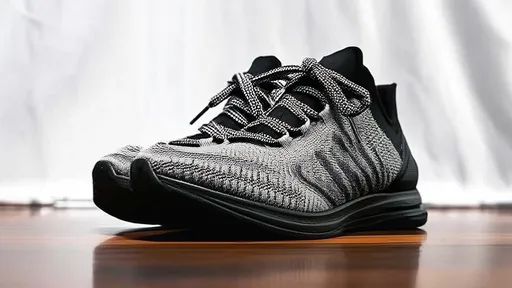
For runners, few things are as consistently frustrating as untied shoelaces. That moment of interruption—the pause to retie, the potential for tripping, the broken rhythm—can detract from an otherwise perfect run. While the humble shoelace knot is a marvel of simple engineering, the dynamic, repetitive motion of running presents a unique challenge that the standard bow often can't withstand. This has led to a fascinating niche within running culture: the pursuit of the perfect, fail-safe knot. Beyond the basic bow, a world of intricate loops, wraps, and ties exists, each designed to combat the forces that work to unravel our shoes stride after stride.
Health

After Sand and Dust Weather: The Right Time to Use 'External Circulation' in Car Air Conditioning to Protect Indoor Air Quality"

By /Aug 26, 2025

As the last particles of dust settle after a sandstorm, car owners face a critical decision about their vehicle's air circulation system that could significantly impact their health and driving comfort. The choice between using recirculated air or drawing fresh air from outside isn't merely about personal preference—it's a matter of understanding how to protect yourself from lingering pollutants while maintaining a comfortable cabin environment.
Health

Correct Usage of Trekking Pole Wrist Straps for Hiking and Mountaineering - Maximizing Gear Efficiency and Protecting Wrists

By /Aug 26, 2025

When you first pick up a pair of trekking poles, the thin strips of fabric dangling from the handles might seem like an afterthought, a minor accessory to the main event of the adjustable shafts and carbide tips. Many hikers, even seasoned ones, simply slip their hands through these loops without a second thought, treating them as little more than a tether to prevent dropping the pole. This fundamental misunderstanding is perhaps the single biggest mistake made with this essential piece of gear. The humble wrist strap is, in fact, the critical interface between you and your pole, the linchpin that transforms it from a simple stick into a powerful propulsion and stability engine. Using it incorrectly not only negates most of the pole's benefits but also actively invites fatigue and potential injury. To master your trekking poles, you must first master the strap.
Health

Controlling Nap Duration After Staying Up Late and Avoiding Sleep Inertia - Scientific Catch-up Sleep"

By /Aug 26, 2025

Waking up groggy and disoriented after an afternoon nap following a sleepless night is an experience many know all too well. That heavy, almost drugged sensation that lingers long after opening your eyes isn't just an inconvenience; it's a physiological state known as sleep inertia. For those trying to recover from a night of poor rest, understanding the delicate balance between nap duration and the avoidance of this grogginess is the key to truly effective, scientific sleep compensation.
Health

Self-Inspection Methods for Disposable Bowls and Chopsticks" in Night Markets - Reducing Hygiene Risks.

By /Aug 26, 2025

In the bustling night markets that dot urban landscapes across Asia and beyond, the allure of sizzling street food is undeniable. Amidst the aromatic clouds of grilling meats and simmering broths, one often overlooked aspect plays a critical role in public health: the quality of disposable bowls and utensils. While these single-use items offer convenience, their unchecked quality can pose significant hygiene risks, making self-inspection methods for consumers not just useful but essential.
Health

Hygiene Recommendations for Disposable Microphone Foam Covers in KTVs: Health Details in Entertainment

By /Aug 26, 2025

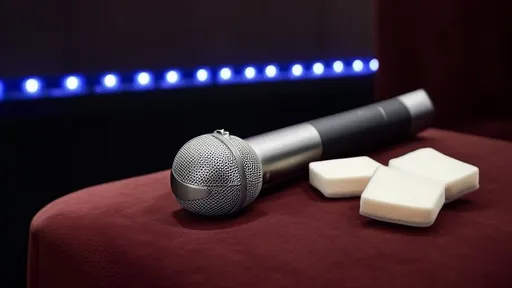
In the vibrant world of entertainment, where laughter echoes and melodies fill the air, there lies an often-overlooked detail that bridges joy with well-being: the humble disposable foam cover for KTV microphones. These thin, porous sleeves, slipped over microphone heads before each use, serve as silent guardians of health in spaces where shared equipment is the norm. While patrons immerse themselves in the rhythm of music and the warmth of social connection, these unassuming accessories work diligently to prevent the unseen transfer of germs, making them a crucial element in maintaining hygiene without compromising the fun.
Health

Calm Evacuation Breathing Techniques for High-Rise Building Fire Alarms - Psychological Management in Emergency Safety"

By /Aug 26, 2025

When the piercing shriek of a fire alarm cuts through the familiar hum of a high-rise building, the human instinct is rarely calm. It is a sound engineered to startle, to provoke immediate attention, and often, to trigger a cascade of primal fear. For those dozens of stories above the ground, with escape routes measured in flights of stairs rather than simple steps, this fear can be paralyzing. Yet, the single most critical factor in surviving such an emergency is not physical strength or speed, but the psychological composure to act wisely. This is where the practice of conscious breathing transforms from a wellness cliché into a vital survival tool—a mental anchor in a storm of chaos.
Health

Quick Identification of Sugar Content in Beverages at Highway Service Areas

By /Aug 26, 2025

Navigating the beverage aisle at a highway service station can feel like a high-stakes decision under time pressure. With limited minutes before hitting the road again, travelers often face a wall of options—brightly colored bottles, sleek cans, and promises of energy or refreshment. Among the most critical yet overlooked considerations is sugar content. Understanding how to quickly identify high-sugar and low-sugar drinks isn’t just about calories; it’s about maintaining energy levels, avoiding sugar crashes during long drives, and making choices that align with health goals even on the go.
Health

Balancing Comfort" and "Seal" of Mask Earloops - Enhancing Wear Compliance.

By /Aug 26, 2025

In the ongoing global conversation about public health measures, one seemingly simple item continues to present a complex challenge: the face mask. While their efficacy in reducing transmission of respiratory pathogens is well-established, a critical hurdle remains—user compliance. The single greatest factor determining whether a mask is worn consistently and correctly is not its filtration rating or its cost, but its wearability. This wearability hinges on a delicate and often overlooked engineering balance between two competing demands: the comfort of the ear loops and the seal they help to create. A mask that excels in sealing but causes pain behind the ears will be constantly adjusted or removed, negating its purpose. Conversely, a mask with incredibly comfortable, loose loops that gap at the cheeks is little more than a symbolic gesture. Achieving the optimal equilibrium between these two factors is the key to enhancing adherence and, by extension, public health outcomes.
Health

Balancing the Color Distortion" of Blue Light Blocking Glasses with Visual Comfort - An Objective Analysis of Pros and Cons

By /Aug 26, 2025

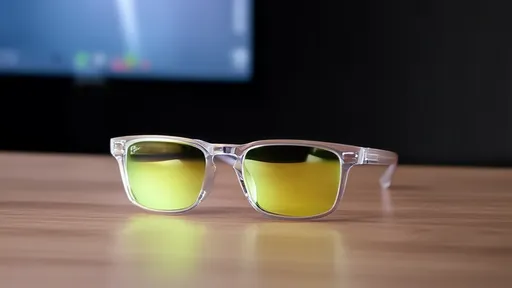
In recent years, blue light filtering glasses have surged in popularity, marketed as an essential tool for the digital age. Promising reduced eye strain, improved sleep, and protection from potential retinal damage, these glasses have found their way onto the faces of office workers, gamers, and students alike. The core technology is straightforward: a special coating or material that selectively blocks or absorbs a portion of high-energy visible (HEV) blue light emitted by screens and LED lighting. However, a less frequently discussed but immediately perceptible consequence of this technology is the phenomenon known as "color shift" or "yellowing," where the wearer's perception of the world takes on a warmer, often amber or yellow, tint. This inherent trade-off between potential visual comfort and color accuracy sits at the heart of a nuanced debate among users, optometrists, and researchers.
Health

Guidelines for Proper Use: Duration of 'Rinsing' After Replacing Water Filter Cartridges"

By /Aug 26, 2025

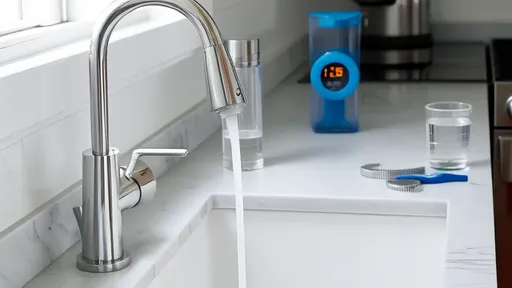
After installing new filters in your water purification system, one of the most critical yet often overlooked steps is the initial flushing process. Many users are eager to immediately enjoy cleaner, better-tasting water, but taking the time to properly flush the system is essential for both performance and safety. This article provides comprehensive guidance on how long you should run water through your newly replaced filters and why this process matters more than you might think.
Health

Lumbar Support Adjustment Guide for Backrest Cushions - Personalized Usage Suggestions"

By /Aug 26, 2025

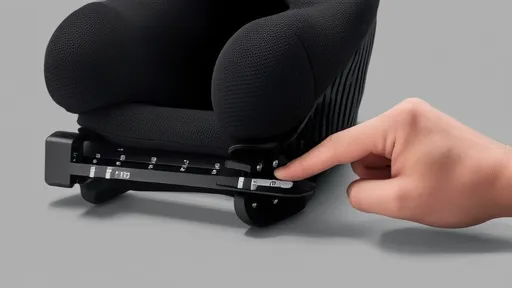
Finding the right lumbar support isn't just about comfort—it's about spinal health. One of the most critical yet often overlooked aspects of using a lumbar cushion is the precise adjustment of the support point height. This isn't a one-size-fits-all scenario; your body's unique proportions and your seated posture determine where that support should be placed to effectively align your spine and relieve pressure.
Health

Removable Insoles in Running Shoes: Focusing on Footwear Hygiene and Health"

By /Aug 26, 2025

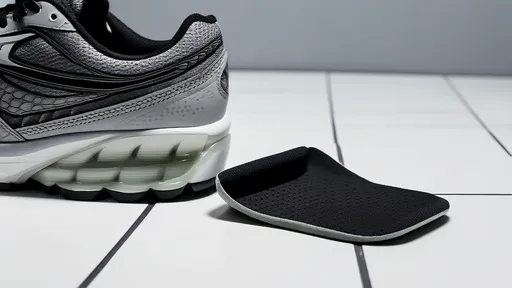
In the world of running, much attention is paid to the latest cushioning technologies, lightweight materials, and biomechanical designs. However, one of the most overlooked yet critical aspects of running shoe maintenance is the humble insole. Specifically, the removability of insoles plays a pivotal role in ensuring foot health, shoe longevity, and overall hygiene. For runners who log miles daily, the interior of their shoes becomes a breeding ground for bacteria, fungi, and unpleasant odors. This is where the ability to remove and clean insoles becomes not just a convenience, but a necessity.
Health

Deciphering the True Meaning of Zero-Additive" Food Labels for Consumers

By /Aug 26, 2025

In the bustling aisles of modern supermarkets, consumers are increasingly confronted with food labels proclaiming "zero additives" or "no artificial ingredients." These marketing terms, often highlighted in bold and accompanied by imagery of nature and purity, suggest a product free from synthetic substances and closer to its natural state. However, the reality behind these claims is far more complex, and understanding their true meaning is essential for making informed dietary choices. This article delves into the nuances of "zero additive" labels, exploring what they genuinely signify, the regulatory frameworks governing them, and the potential misconceptions that can arise from such marketing language.
Health

In-Depth Evaluation of Sun Protection Effectiveness Based on the Shade Coverage Rate" of Sun Umbrellas

By /Aug 26, 2025

As summer approaches, the quest for effective sun protection leads many consumers to consider an often underestimated tool: the sun umbrella. While most people understand that umbrellas provide shade, few grasp the nuanced relationship between what manufacturers term "shade coverage rate" and the actual protective efficacy against harmful UV radiation. This discrepancy between marketing claims and real-world performance warrants a thorough investigation, particularly as more companies tout technical specifications that may not translate to meaningful protection.
Health

Weekly Medication Dispenser Check List - Preventing Medication Errors

By /Aug 26, 2025

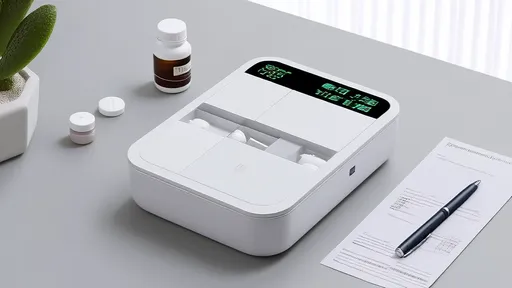
In the quiet rhythm of weekly routines, the simple act of filling a pill organizer transforms from a mundane chore into a critical safeguard for health. For millions managing medications, this weekly ritual is their first and most vital line of defense against the silent, often preventable, epidemic of medication errors. The consequences of a single misplaced pill—a double dose, a missed vital drug, an adverse interaction—can ripple through a person’s wellbeing with startling speed. It is here, at this intersection of routine and risk, that a meticulously followed checklist becomes not just a tool, but a lifeline.
Health

Monthly Functionality Testing Process for Elderly Emergency Call Devices - Ensuring Device Reliability"

By /Aug 26, 2025

In the quiet corridors of senior care facilities and the familiar spaces of age-in-place residences, a silent guardian stands watch. The emergency call device, often worn as a pendant or positioned as a base station, represents more than just technology—it embodies a promise of safety and immediate response. Yet, like any critical safeguard, its reliability hinges not on its mere presence but on its consistent, verified functionality. This is where the practice of monthly functional testing transforms from a procedural task into a vital ritual of care.
Health

Cross-Validation" Method for Abnormal Readings in Home Formaldehyde Detectors - Scientific Interpretation of Data

By /Aug 26, 2025

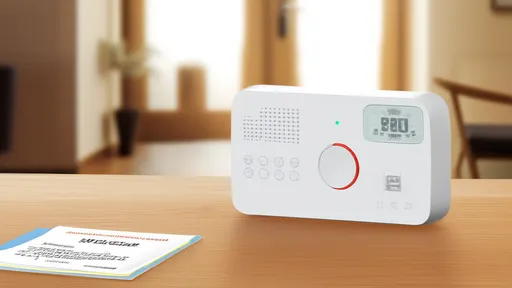
Home air quality monitoring has become increasingly sophisticated with the proliferation of consumer-grade formaldehyde detectors. These compact devices promise to deliver real-time readings of potentially harmful airborne chemicals, offering homeowners a sense of control over their indoor environment. However, the reliability of these detectors has come under scrutiny, particularly when readings appear inconsistent or unexpectedly high. The concept of cross-validation has emerged as a critical methodology for interpreting these measurements accurately, moving beyond a single data point to build a more trustworthy assessment of air quality.
Health

Preheating Recommendations for Home Pulse Oximeters in Cold Weather

By /Aug 26, 2025

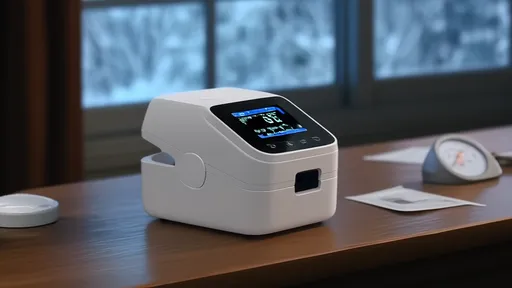
As winter tightens its grip and temperatures plummet, many individuals relying on home pulse oximeters for health monitoring may encounter unexpected challenges. These compact devices, designed to measure blood oxygen saturation and pulse rate, are increasingly common in households, particularly among those with respiratory or cardiovascular conditions. However, what often goes unnoticed is how profoundly cold environments can influence their accuracy and performance. Unlike clinical-grade equipment used in temperature-controlled medical facilities, home devices are frequently exposed to varying conditions, and cold weather presents a unique set of obstacles that users must navigate to ensure reliable readings.
Health

Yearly Comparison Analysis Method for Health Apps - Utilizing Data for Long-Term Management"

By /Aug 26, 2025

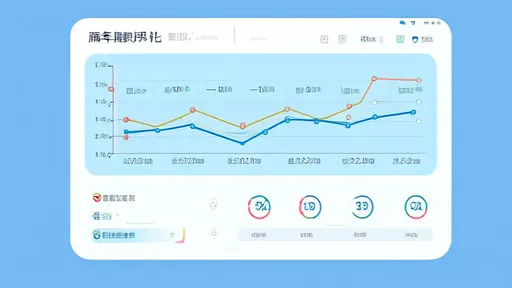
As the calendar flips to a new year, millions of users worldwide open their health and fitness apps with renewed determination. Yet beyond setting resolutions, these digital tools hold untapped potential for those who know how to interpret their year-over-year data. The true power of health tracking lies not in daily step counts or weekly weigh-ins, but in the longitudinal patterns that emerge when we compare our current self to our past self across annual cycles.