As summer approaches, the quest for effective sun protection leads many consumers to consider an often underestimated tool: the sun umbrella. While most people understand that umbrellas provide shade, few grasp the nuanced relationship between what manufacturers term "shade coverage rate" and the actual protective efficacy against harmful UV radiation. This discrepancy between marketing claims and real-world performance warrants a thorough investigation, particularly as more companies tout technical specifications that may not translate to meaningful protection.
The concept of shade coverage rate typically refers to the percentage of surface area shielded from direct sunlight when the umbrella is deployed. On paper, a higher percentage suggests better protection. However, this metric alone is dangerously misleading. It fails to account for critical factors like ultraviolet penetration, fabric density, and environmental reflections that can drastically alter the umbrella’s effectiveness. Relying solely on this figure is akin to judging a book by its cover—it tells only a small part of the story.
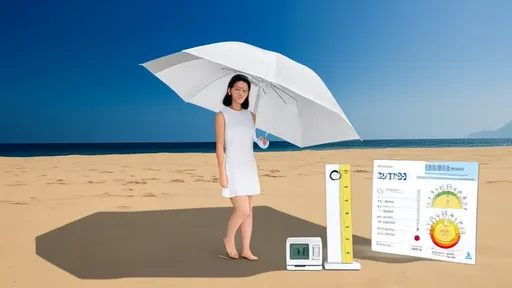
Ultraviolet radiation, particularly UVA and UVB rays, poses significant risks, including skin cancer and premature aging. A high shade coverage rate might block visible light, but it does not necessarily block these invisible threats. The actual defense depends heavily on the umbrella’s material and construction. For instance, some fabrics might block 99% of direct UV rays but offer little resistance to scattered or reflected UV radiation from surfaces like water, sand, or pavement. This phenomenon explains why you can still get sunburned under a beach umbrella if complementary protections like sunscreen are neglected.
Material science plays a pivotal role here. High-quality sun umbrellas often incorporate specialized fabrics with tight weaves or coatings designed to absorb or reflect UV radiation. Technologies such as silver linings or blackout layers enhance this effect. The Ultraviolet Protection Factor (UPF) rating, a standardized measure, provides a more reliable indicator than shade coverage alone. A UPF 50+ rating, for example, means only 1/50th of UV radiation penetrates the fabric, offering robust protection. Consumers should prioritize UPF ratings over vague claims about shade coverage.
Another often overlooked aspect is the design and structure of the umbrella. A wide canopy with a steep drape can minimize exposure to oblique rays in the early morning or late afternoon, periods when UV intensity is still substantial. Conversely, a flat or shallow design might leave the user vulnerable during these times. Additionally, the color of the fabric influences performance; darker colors typically absorb more UV light, reducing transmission, while lighter colors might reflect more but could allow greater penetration if not properly treated.
Real-world conditions further complicate the efficacy of sun umbrellas. Wind, for instance, can alter the angle of the canopy or expose the user to gaps in coverage. The height at which the umbrella is held and the user’s posture also affect protection levels. Unlike laboratory settings where tests are controlled, outdoor environments are dynamic and unpredictable. Therefore, an umbrella that performs excellently in static tests might falter in practical use, underscoring the need for holistic evaluation beyond technical specs.
Consumer behavior is equally important. How people use their sun umbrellas—how consistently they position them, whether they combine them with other protective measures—significantly impacts overall safety. Education on proper usage is as crucial as the product’s inherent qualities. A perfect umbrella is useless if left at home or employed incorrectly.
In conclusion, while shade coverage rate might serve as a starting point for evaluating sun umbrellas, it is far from sufficient. Savvy shoppers should look for UPF ratings, scrutinize material quality, consider design features, and understand environmental variables. Ultimately, the best protection comes from a multi-faceted approach: a reliable umbrella, broad-spectrum sunscreen, protective clothing, and avoiding peak sun hours. Only then can one truly enjoy the outdoors without compromising skin health.
By /Aug 26, 2025

By /Aug 26, 2025
By /Aug 26, 2025

By /Aug 26, 2025
By /Aug 26, 2025
By /Aug 26, 2025

By /Aug 26, 2025

By /Aug 26, 2025
By /Aug 26, 2025
By /Aug 26, 2025

By /Aug 26, 2025
By /Aug 26, 2025
By /Aug 26, 2025
By /Aug 26, 2025
By /Aug 26, 2025
By /Aug 26, 2025
By /Aug 26, 2025

By /Aug 26, 2025
By /Aug 26, 2025
By /Aug 26, 2025
