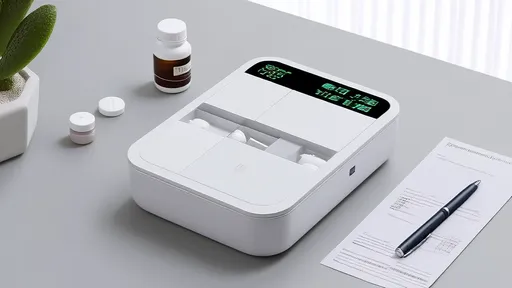
In the quiet rhythm of weekly routines, the simple act of filling a pill organizer transforms from a mundane chore into a critical safeguard for health. For millions managing medications, this weekly ritual is their first and most vital line of defense against the silent, often preventable, epidemic of medication errors. The consequences of a single misplaced pill—a double dose, a missed vital drug, an adverse interaction—can ripple through a person’s wellbeing with startling speed. It is here, at this intersection of routine and risk, that a meticulously followed checklist becomes not just a tool, but a lifeline.
The environment in which you prepare your medications sets the stage for success or failure. This is not a task for a cluttered kitchen counter amidst the morning rush or the distracted haze of late-night fatigue. Dedicate a specific, well-lit, and quiet space for this purpose—a sanctuary of focus. Ensure all surfaces are clean, dry, and clear of any potential contaminants like food crumbs or liquid spills. Before you even touch your first bottle, gather every single item you will need: all prescription bottles, your empty weekly organizer, the checklist itself, and a pen. This act of preparation is the first conscious step toward accuracy, eliminating the need to search for things with half-filled compartments, a prime scenario for losing count or mixing things up.
With your stage set, the performance begins with the most fundamental act: verification. Pick up each prescription bottle, one by one. Do not rely on memory or assumption. Physically read the label aloud if it helps. Is this the correct medication? Cross-reference the name on the bottle with the name on your prescription list or doctor’s instructions. Beware of sound-alike or look-alike drug names; this is a common and dangerous source of error. Next, confirm the dosage strength. Is it 5mg or 50mg? A tiny numeral can make a monumental difference. Finally, scrutinize the instructions. Has anything changed since last week? Doctors sometimes adjust dosages, discontinue medications, or add new ones. A weekly check-in with your most recent prescription information is a non-negotiable part of this process. This triple verification of drug, dose, and directive is the bedrock of safety.
Now, with confirmed bottles in front of you, align them with your pill organizer. Most organizers have compartments labeled with days of the week and times of day (e.g., MORN, NOON, EVE, BED). Ensure the structure of your organizer matches your actual dosing schedule. If you take a medication three times a day, a simple AM/PM model will not suffice and will inevitably lead to mistakes. Before pouring anything, place each bottle directly above or next to the compartment it is destined for. This visual mapping creates a clear, unambiguous path for each pill, drastically reducing the cognitive load and the chance of cross-contamination between different drugs.
The physical transfer of pills from bottle to box is a moment of immense vulnerability. The golden rule here is one medication at a time. Work methodically through your mapped-out bottles. Open one bottle, fill its designated compartments for the entire week, close the bottle, and move it aside. Then, and only then, proceed to the next bottle. This sequential, single-focus method is your strongest armor against the chaos of mixing pills. As you dispense, engage all your senses. Look at the pills. Does their color, shape, and size match what you expect? If something looks different, stop immediately. Do not assume it’s a harmless generic switch; contact your pharmacist for confirmation. Listen. The rattle of too many pills or the silence of too few can be an auditory clue. For liquid medications, use only the measuring device that came with the prescription—never a kitchen spoon.
Upon completing the filling of all compartments, the job is only half done. The second half, the verification phase, is what truly seals the process against error. This is a deliberate pause, a purposeful review of the entire week’s setup. Start from one end of the organizer and move slowly to the other. For each day, and for each time slot within that day, visually confirm that the correct pills are present. Is Monday morning correct? Is Wednesday evening right? This is also the time to check for omissions. Are there any empty compartments that should be filled? A hole in a weekly planner is a missed dose waiting to happen. This top-down review is your final audit, a quality control check that catches mistakes before they become consequences.
With the organizer filled and verified, the process concludes with proper closure and storage. Securely fasten every lid on the pill organizer. A loose lid can lead to spilled pills, mixed medications, or contamination. Immediately return all prescription bottles to their designated, secure storage location—preferably a cool, dry place away from sunlight and out of reach of children or pets. Do not leave them out on the counter. This act of tidying up is the last defensive step, preventing accidents from occurring after the careful work is done. Finally, take a moment to sign or initial your checklist. This small act of documentation formalizes the task, provides a record, and reinforces the importance and completion of your conscientious effort.
Ultimately, the weekly ritual of filling a pill organizer, guided by a disciplined checklist, is a profound exercise in personal agency over one’s health. It is a quiet rebellion against the complexity of modern medicine and the fallibility of human memory. It transforms anxiety into assurance and routine into resilience. By investing these few minutes each week in a structured, mindful process, you are not just organizing pills; you are architecting safety, ensuring that the very tools meant to heal you do not inadvertently cause harm. It is the simplest, most powerful prescription for peace of mind you can give yourself.

By /Aug 26, 2025

By /Aug 26, 2025

By /Aug 26, 2025

By /Aug 26, 2025
By /Aug 26, 2025

By /Aug 26, 2025

By /Aug 26, 2025
By /Aug 26, 2025

By /Aug 26, 2025

By /Aug 26, 2025
By /Aug 26, 2025

By /Aug 26, 2025

By /Aug 26, 2025

By /Aug 26, 2025

By /Aug 26, 2025
By /Aug 26, 2025
By /Aug 26, 2025

By /Aug 26, 2025

By /Aug 26, 2025

By /Aug 26, 2025
