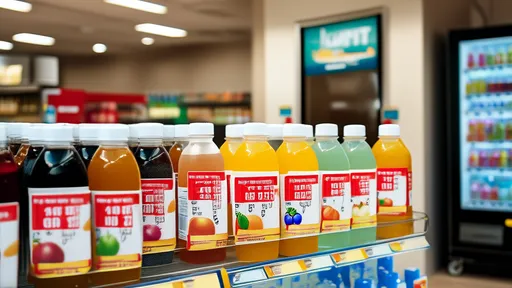
Navigating the beverage aisle at a highway service station can feel like a high-stakes decision under time pressure. With limited minutes before hitting the road again, travelers often face a wall of options—brightly colored bottles, sleek cans, and promises of energy or refreshment. Among the most critical yet overlooked considerations is sugar content. Understanding how to quickly identify high-sugar and low-sugar drinks isn’t just about calories; it’s about maintaining energy levels, avoiding sugar crashes during long drives, and making choices that align with health goals even on the go.
Your first clue is often the packaging itself. Beverages marketed for instant energy or extreme refreshment—think sodas, fruit punches, energy drinks, and sweetened iced teas—usually have bold, vibrant labels. They scream excitement and immediate gratification. But that excitement often comes with a cost: a high dose of added sugars. In contrast, drinks like water, sparkling water, unsweetened tea, or diet options tend to have simpler, cleaner packaging. Words like "zero sugar," "light," or "no added sugars" are your allies here. However, be cautious—some products use terms like "natural" or "made with real fruit" which can be misleading; they may still contain significant amounts of sugar.
Next, train your eyes to find the Nutrition Facts panel. It’s usually on the back or side of the container. You don’t need to spend minutes analyzing it—just focus on one line: Total Sugars. In the United States, this is measured in grams. A quick rule of thumb: if it’s over 20 grams per serving, think twice. For context, the American Heart Association recommends no more than 36 grams of added sugar per day for men and 25 grams for women. Some energy drinks or sodas can contain 40 grams or more in a single bottle—that’s an entire day’s worth in one drink. Also, watch the serving size. A bottle that looks like one portion might actually contain two or more servings, doubling or tripling the sugar count if consumed entirely.
Be especially wary of drinks that seem healthy but aren’t. Vitamin waters, sports drinks, flavored coconut waters, and even some bottled smoothies or juices can be sugar landmines. Unless you’re engaging in intense physical activity (like a long run), sports drinks are often unnecessary and high in sugar. Similarly, fruit juices—even 100% natural ones—contain natural sugars that add up quickly. If you opt for juice, a small size is wiser. Better yet, go for whole fruit available at many service stations; it provides fiber and nutrients without the liquid sugar rush.
Another quick tip: ingredient lists don’t lie. Scan for synonyms of sugar. If you see words like high-fructose corn syrup, cane sugar, fructose, glucose, sucrose, agave nectar, honey, or fruit juice concentrate near the top of the list, that drink is likely high in sugar. Ingredients are listed in descending order by weight, so the higher up sugar appears, the more the product contains. Short lists with recognizable ingredients—water, natural flavors, maybe a sweetener like stevia or monk fruit—typically indicate a lower-sugar option.
Consider the context of your journey. Are you about to drive for several more hours? A high-sugar drink might give you a brief energy spike, but it often leads to a crash later—leaving you fatigued and less alert, which is dangerous on the road. Alternatively, a balanced choice like water, black coffee, or an unsweetened beverage can help maintain steady hydration and focus. If you crave flavor, try infusing water with a squeeze of lemon or choosing a naturally flavored sparkling water without added sweeteners.
Finally, don’t forget that service stations sometimes offer alternatives beyond the cooler. Many now have coffee stations where you can control what goes into your drink. Black coffee or tea has virtually no sugar. If you need sweetness, you can add a packet yourself—often allowing you to use less than what pre-made drinks contain. Some larger service areas even have fresh fruit stands or yogurt parfaits that can provide a healthier, more satisfying pick-me-up.
Making a smart beverage choice in a highway service zone doesn’t require a nutrition degree—just a few seconds of mindful scanning. Look for clear labeling, check the sugar grams, glance at the ingredients, and consider how that choice will affect your drive. Your body—and your focus on the road—will thank you miles down the highway.

By /Aug 26, 2025

By /Aug 26, 2025

By /Aug 26, 2025

By /Aug 26, 2025
By /Aug 26, 2025

By /Aug 26, 2025

By /Aug 26, 2025
By /Aug 26, 2025

By /Aug 26, 2025

By /Aug 26, 2025

By /Aug 26, 2025

By /Aug 26, 2025
By /Aug 26, 2025
By /Aug 26, 2025

By /Aug 26, 2025
By /Aug 26, 2025

By /Aug 26, 2025
By /Aug 26, 2025

By /Aug 26, 2025
By /Aug 26, 2025
