In the bustling aisles of modern supermarkets, the quest for genuine whole wheat bread often feels like a detective’s mission. Shelves are lined with loaves boasting wholesome labels, rustic packaging, and promises of nutritional virtue. Yet, not all that is brown or grainy is truly whole grain. The rise of "pseudo-whole wheat" products has made it increasingly challenging for health-conscious consumers to distinguish authentic offerings from cleverly marketed imitations. Understanding how to decode ingredient lists is not just a skill—it’s a necessity for anyone committed to making informed dietary choices.
The allure of whole wheat bread lies in its nutritional profile. Unlike refined grains, which have been stripped of their bran and germ, whole grains retain these nutrient-dense components. This means they deliver a richer array of fiber, vitamins, minerals, and antioxidants. Regular consumption of whole grains has been linked to a reduced risk of heart disease, diabetes, and certain cancers. It also supports digestive health and promotes sustained energy levels. However, these benefits are contingent on the bread being made primarily from whole grains, not just sprinkled with them for appearance.
One of the most common tricks employed by manufacturers is the use of caramel coloring or molasses to give refined bread a deceptively healthy brown hue. This visual mimicry preys on consumer assumptions that darker bread must be healthier. Another tactic involves adding a small amount of whole wheat flour to a base of refined flour and then highlighting the whole grain content on the front of the package. Terms like "multigrain," "stone-ground," or "wheat bread" can be misleading; they do not guarantee that the product is primarily whole grain. True whole wheat bread should list whole wheat flour as the first ingredient, indicating it is the predominant component.
The ingredient list is your most reliable tool in this search for authenticity. By law, ingredients must be listed in descending order by weight. Therefore, the first ingredient is the most abundant. For genuine whole wheat bread, the first item should be "whole wheat flour" or another whole grain flour like "whole rye" or "whole oat." Be wary of listings that start with "wheat flour," "enriched flour," or "unbleached flour," as these are terms for refined white flour. If these appear before whole wheat flour, the product is likely more refined than whole.
Another red flag is the presence of additives that serve to mimic the texture or color of whole grains without providing their nutritional benefits. Ingredients like caramel color, molasses, or even isolated fibers such as oat fiber or wheat bran are sometimes added to create the illusion of wholesomeness. While these might make the bread appear darker or feel heartier, they do not substitute for the comprehensive nutrition of genuine whole grains. The goal is to find bread with a short, recognizable ingredient list, free from unnecessary artificial additives.
Sugar content is another aspect to scrutinize. Some breads, even those marketed as healthy, can contain surprising amounts of added sugars. These might appear under names like high fructose corn syrup, honey, or cane syrup. While a small amount of sugar is often used in baking to aid fermentation and enhance flavor, it shouldn’t be a primary ingredient. Excessive sugar can undermine the health benefits of whole grains, contributing to empty calories and potential blood sugar spikes. Aim for bread with minimal added sugars, ideally less than 4 grams per slice.
Fiber content is a key indicator of whole grain authenticity. Genuine whole wheat bread typically contains at least 2-3 grams of fiber per slice. However, be cautious: some manufacturers boost fiber content with isolated fibers or synthetic additives like polydextrose or inulin. While these increase the fiber count on the nutrition label, they may not offer the same health benefits as naturally occurring fiber from whole grains. The best approach is to choose bread where the fiber comes inherently from whole grains, not from added supplements.
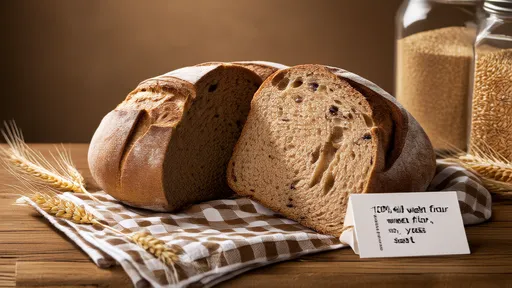
Certifications can serve as helpful shortcuts for identifying true whole grain products. Look for seals from organizations like the Whole Grain Stamp, which indicates the grams of whole grains per serving. A "100% Whole Grain" stamp means all the grain ingredients are whole, while a basic stamp signifies at least half a serving of whole grains. However, even without a stamp, a careful read of the ingredient list remains the gold standard for verification.
The texture and taste of bread can also provide clues. Authentic whole wheat bread often has a denser, heartier texture and a nuttier, slightly bitter flavor compared to its refined counterparts. While this might be an adjustment for those accustomed to soft, sweet white bread, it is a hallmark of genuine whole grain products. Don’t be swayed by overly soft or sweet loaves, as these traits often indicate the presence of refined flours, additives, or extra sugars.
In conclusion, navigating the world of whole wheat bread requires vigilance and a willingness to look beyond marketing claims. By prioritizing ingredient lists, scrutinizing for whole grains as the first component, monitoring sugar and fiber content, and being skeptical of artificial enhancements, you can confidently select bread that delivers on its nutritional promises. Remember, the goal is not just to find bread that looks the part but one that truly contributes to your health and well-being. Empower yourself with knowledge, and let the ingredient list be your guide to genuine whole wheat goodness.

By /Sep 9, 2025

By /Sep 9, 2025
By /Sep 9, 2025

By /Sep 9, 2025
By /Sep 9, 2025

By /Sep 9, 2025
By /Sep 9, 2025

By /Sep 9, 2025

By /Sep 9, 2025
By /Sep 9, 2025
By /Sep 9, 2025

By /Sep 9, 2025
By /Sep 9, 2025
By /Sep 9, 2025

By /Sep 9, 2025
By /Sep 9, 2025

By /Sep 9, 2025
By /Sep 9, 2025
By /Sep 9, 2025
By /Sep 9, 2025
