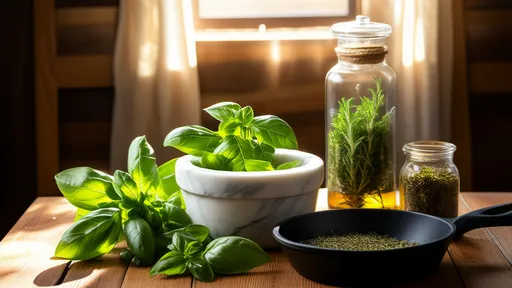
In the world of culinary arts, the debate between using fresh versus dried herbs is as old as cooking itself. Among the most cherished herbs, basil and rosemary stand out not only for their aromatic qualities but also for their versatility in a myriad of dishes. Understanding how to maximize the benefits of these herbs, whether fresh or dried, can elevate your cooking from ordinary to extraordinary. This article delves into the nuances of using basil and rosemary in their different forms, offering insights into how to harness their full potential.
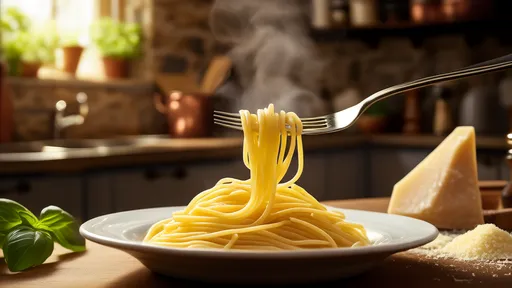
Fresh herbs are often celebrated for their vibrant flavors and aromatic presence. When it comes to basil, its fresh leaves are a cornerstone of Mediterranean cuisine, particularly in Italian dishes like pesto, caprese salad, and fresh pasta sauces. The key to using fresh basil lies in its delicate nature. The volatile oils that give basil its distinctive sweet and slightly peppery flavor are highly susceptible to heat. Therefore, it is best added at the end of the cooking process or used raw to preserve its essence. Chopping or tearing the leaves just before use helps to release these oils, enhancing the dish's aroma and taste. Additionally, fresh basil pairs wonderfully with tomatoes, garlic, and olive oil, making it a staple in summer recipes where its brightness can shine.
On the other hand, dried basil offers a more concentrated and earthy flavor profile. The drying process reduces the water content, intensifying the herb's essential oils and resulting in a potency that fresh basil cannot match. This makes dried basil ideal for long-simmering dishes such as stews, soups, and braises, where it has time to rehydrate and infuse the entire dish with its flavor. However, it is crucial to use dried basil sparingly, as its strength can easily overpower other ingredients. A general rule of thumb is to use one-third the amount of dried basil compared to fresh, as the dried form is three times more potent. Incorporating dried basil early in the cooking process allows it to meld seamlessly with other flavors, creating a harmonious and depth-filled base.
Rosemary, with its robust and pine-like aroma, presents another set of considerations for fresh versus dried use. Fresh rosemary sprigs are woody and resilient, making them perfect for slow-cooked dishes where they can impart a steady, aromatic influence. Roasts, grilled meats, and roasted vegetables benefit immensely from the addition of fresh rosemary, either as whole sprigs or finely chopped leaves. The hardy nature of rosemary means it can withstand longer cooking times without losing its character, though it should still be added with care to avoid bitterness. For maximum effect, lightly crush the fresh leaves before use to release their oils, and consider using them in marinades to tenderize and flavor meats.
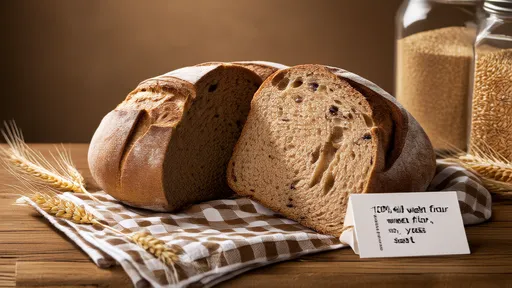
Dried rosemary, however, requires a different approach. The drying process makes the leaves even more rigid and concentrated, which can lead to a gritty texture if not properly handled. To avoid this, it is often best to crush dried rosemary with a mortar and pestle or to use it in a spice grinder before adding it to dishes. This not only improves the texture but also helps to distribute the flavor more evenly. Dried rosemary excels in baked goods like breads and focaccia, as well as in hearty winter dishes where its intense, camphor-like notes can stand up to other strong flavors. Like dried basil, it is more potent than its fresh counterpart, so adjustments in quantity are necessary—typically, use half the amount of dried rosemary when substituting for fresh.
The choice between fresh and dried herbs often boils down to the specific dish and cooking method. Fresh herbs are generally preferred for cold dishes, garnishes, and recipes where their bright, nuanced flavors can be appreciated without much alteration. Dried herbs, with their concentrated profiles, are better suited for dishes that undergo extensive cooking, as they have time to develop and integrate into the overall flavor palette. However, it is not merely a matter of substitution; understanding the unique characteristics of each form allows for more intentional and creative cooking.
Storage and handling also play critical roles in maximizing the benefits of both fresh and dried herbs. Fresh basil, for instance, is highly perishable and should be stored in the refrigerator, ideally with the stems placed in a glass of water like a bouquet, covered loosely with a plastic bag. This can extend its life for up to a week. Rosemary is hardier and can be kept in the fridge wrapped in a damp paper towel for similar durations. For longer-term storage, both herbs can be frozen—basil in oil or as pureed leaves, and rosemary as whole sprigs or chopped in ice cube trays with water or oil.
Dried herbs, while having a longer shelf life, are not immortal. They should be stored in airtight containers away from light and heat to preserve their potency. Typically, dried herbs retain their best flavor for about six months to a year before they begin to lose their vibrancy. Labeling containers with the date of purchase can help ensure you use them while they are still at their peak. Remember, the goal is to capture the essence of the herb, whether fresh or dried, and proper storage is essential to maintaining that quality.
In conclusion, the art of using herbs like basil and rosemary to their fullest potential lies in recognizing their strengths and limitations in both fresh and dried forms. Fresh herbs bring a burst of vitality and complexity to dishes that are lightly cooked or raw, while dried herbs offer depth and intensity that stand up to prolonged cooking. By thoughtfully incorporating these herbs into your culinary repertoire—considering when to add them, how much to use, and how to store them—you can transform everyday meals into exceptional culinary experiences. Embrace the versatility of these herbal treasures, and let them inspire your cooking journey.
By /Sep 9, 2025
By /Sep 9, 2025
By /Sep 9, 2025
By /Sep 9, 2025

By /Sep 9, 2025
By /Sep 9, 2025
By /Sep 9, 2025

By /Sep 9, 2025
By /Sep 9, 2025
By /Sep 9, 2025
By /Sep 9, 2025

By /Sep 9, 2025
By /Sep 9, 2025
By /Sep 9, 2025
By /Sep 9, 2025
By /Sep 9, 2025
By /Sep 9, 2025
By /Sep 9, 2025
By /Sep 9, 2025
By /Sep 9, 2025
