Is Virgin Olive Oil Only for Salad Dressing? — Unraveling the Smoke Point Mystery and Grading System"

Sep 9, 2025 By

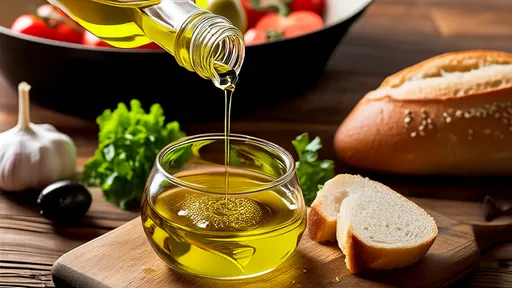
Many home cooks have long operated under the assumption that extra virgin olive oil is a delicate condiment, relegated solely to the realm of salads and cold dips. The prevailing wisdom warns that its subtle flavors and compounds are destroyed by heat, making it unsuitable for cooking. This belief, however, is a culinary myth that deserves a thorough debunking. The truth about cooking with extra virgin olive oil is far more nuanced and empowering, rooted in an understanding of its chemistry, its official grading, and the practical science of the smoke point.


The cornerstone of the "don't cook with EVOO" argument almost always hinges on one specific technical term: smoke point. This is the temperature at which an oil begins to break down, visibly smoking and producing acrid fumes. These fumes contain harmful compounds, and the oil itself degrades, losing its nutritional value and developing unpleasant, bitter flavors. It's a valid concern for any fat, but the common perception of extra virgin olive oil's smoke point is drastically outdated.


For years, misinformation circulated that extra virgin olive oil had a very low smoke point, somewhere around 320-375°F (160-190°C). This placed it below the temperatures required for most sautéing, roasting, and even baking. However, more recent and rigorous testing has consistently shown that high-quality extra virgin olive oil has a significantly higher smoke point. A robust, well-made EVOO typically begins to smoke between 400-425°F (205-218°C). This places it firmly in the range of many common cooking techniques.


To understand why quality matters so much, one must delve into what makes an oil "extra virgin." This is not a marketing term but a legal grade defined by the International Olive Council and enforced by various national bodies. True extra virgin olive oil is produced solely by mechanical means—crushing olives into a paste and then centrifuging or pressing it to extract the oil—without the use of heat or chemicals. This "cold-pressing" is crucial. It preserves a vast array of polyphenols (antioxidants) and volatile compounds that give the oil its signature fruitiness, bitterness, and pungency.


These very polyphenols are the heroes of our story. They are powerful antioxidants that actually stabilize the oil, protecting it from oxidative damage when heated. An oil rich in these natural compounds will have a higher smoke point and greater resistance to breaking down under thermal stress. Conversely, refined olive oils or lower-grade virgin olive oils have had many of these protective polyphenols removed or degraded during processing. A refined "light" olive oil, while having a high smoke point due to its refinement, lacks the protective antioxidants and complex flavor of its extra virgin counterpart.


Therefore, the key variable is not the category of oil but its quality and freshness. A low-quality EVOO, perhaps made from old or damaged olives, or one that has been sitting on a grocery store shelf under bright lights for months, will have a lower polyphenol count. This degraded oil will indeed have a lower smoke point and will perform poorly in the pan. The culprit isn't the fact that it's extra virgin; it's the fact that it's a bad bottle of extra virgin.


So, what does this mean for your cooking? It means that a fresh, high-quality bottle of extra virgin olive oil is an incredibly versatile kitchen workhorse. Its robust smoke point of over 400°F makes it perfectly suitable for sautéing vegetables, pan-searing chicken or fish, and even roasting potatoes and other vegetables in a hot oven. In fact, using EVOO for these applications imparts a wonderful foundational flavor that other neutral oils, like canola or vegetable oil, simply cannot provide.


Of course, it is not the right tool for every job. Deep-frying, which requires maintaining a large volume of oil at a very consistent high temperature (often around 350-375°F), is better suited for oils with even higher smoke points specifically refined for that purpose, like peanut or avocado oil. Similarly, for super high-heat searing of a steak where you want the pan to be scorching hot, a more refined oil might be a pragmatic choice to avoid any risk of smoke, though a good EVOO can still handle it.


The narrative that confines extra virgin olive oil to the sidelines of a salad bowl is a disservice to this magnificent ingredient. It is a testament to the persistence of culinary folklore over scientific evidence. By understanding the importance of quality and the science behind the smoke point, home cooks can confidently unlock the full potential of extra virgin olive oil. It is a flavorful, nutritious, and remarkably resilient fat that deserves a place not just on your table, but on your stovetop as well, enriching everything from a simple weeknight sauté to a slow-roasted Sunday feast.


Recommend Posts
Food

Sichuan Peppercorns: Beyond 'Numbing' - How to Master Oil Temperature to Unleash Complex Aromas and Flavor Layers"

By /Sep 9, 2025

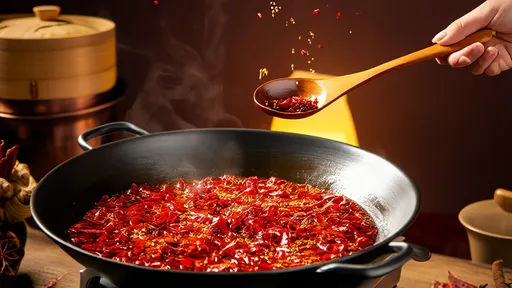
In the realm of Sichuan cuisine, few ingredients are as iconic or as misunderstood as the humble Sichuan peppercorn. Often reduced to a mere descriptor of "numbing" in Western culinary discourse, this tiny berry holds within it a universe of aromatic complexity waiting to be unlocked. The secret to harnessing its full potential lies not in the peppercorn itself, but in the transformative power of oil temperature—a culinary alchemy that has been perfected over centuries in Chinese kitchens but remains largely unexplored beyond them.
Food

Curry: The Health Power of Golden Spices - Anti-Inflammatory and Antioxidant, Homemade Curry Powder Recipe Revealed."

By /Sep 9, 2025

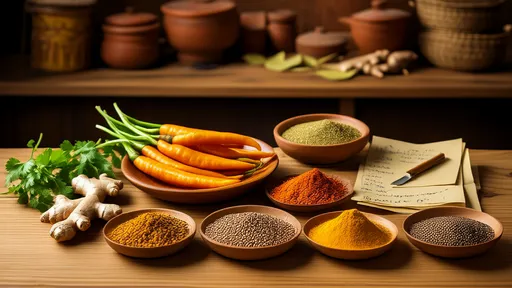
In the bustling spice markets of India, there exists a golden treasure that has captivated palates and healed bodies for millennia. Curry, that vibrant blend of spices that paints our plates in sunset hues, is far more than just a culinary delight. It is a symphony of wellness, a potent concoction of nature’s most powerful anti-inflammatory and antioxidant agents. To understand curry is to embark on a journey through history, culture, and the very science of well-being, discovering that this beloved flavor is one of the most delicious medicines nature has ever offered us.
Food

Natural Flavor Essences: Kelp and Bonito - A Complete Guide to Extracting Umami from Japanese Dashi"

By /Sep 9, 2025

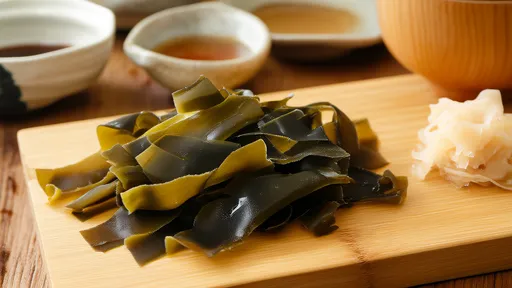
In the heart of Japanese cuisine lies a subtle yet profound essence known as dashi, the foundational broth that whispers of the sea and the earth. It is not merely a stock but the soul of countless dishes, from the comforting warmth of miso soup to the refined elegance of chawanmushi. At its core, dashi harnesses the fifth taste—umami—through the delicate extraction of flavors from two key ingredients: kombu, a type of kelp, and katsuobushi, dried and fermented skipjack tuna flakes. This ancient art, perfected over centuries, embodies the Japanese principle of simplicity and respect for ingredients, where less is often more, and patience yields depth.
Food

Maximizing the Benefits of Fresh and Dried Herbs (Basil, Rosemary, etc.): How to Use Them Effectively

By /Sep 9, 2025

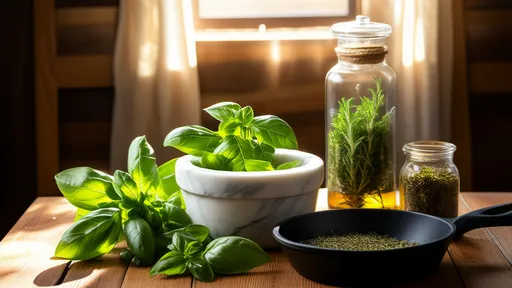
In the world of culinary arts, the debate between using fresh versus dried herbs is as old as cooking itself. Among the most cherished herbs, basil and rosemary stand out not only for their aromatic qualities but also for their versatility in a myriad of dishes. Understanding how to maximize the benefits of these herbs, whether fresh or dried, can elevate your cooking from ordinary to extraordinary. This article delves into the nuances of using basil and rosemary in their different forms, offering insights into how to harness their full potential.
Food

The Advanced Choices of King of Flavors" Salt—Sea Salt, Rock Salt, Himalayan Pink Salt: What's the Difference?

By /Sep 9, 2025

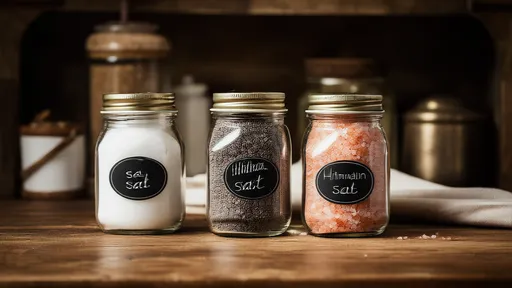
In the world of culinary arts, salt reigns supreme as the undisputed king of flavor. While common table salt has long been a kitchen staple, a growing number of chefs and home cooks are exploring more sophisticated options that promise not only enhanced taste but also unique textures and mineral complexities. Among these premium varieties, sea salt, rock salt, and Himalayan pink salt have emerged as particularly popular choices, each with distinct characteristics that set them apart.
Food

The Secret of Honey's Eternal Freshness—How to Distinguish Genuine Honey? Do Different Nectar Varieties Really Have Distinct Effects?

By /Sep 9, 2025

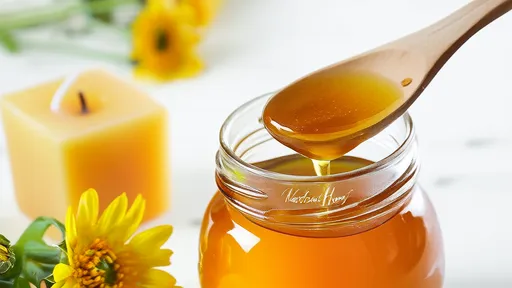
Honey has captivated human imagination for millennia, not just as a natural sweetener but as a substance shrouded in mystery and reverence. Among its most fascinating qualities is its legendary ability to resist spoilage. Archaeologists have discovered pots of honey in ancient Egyptian tombs that remain edible after over three thousand years. This remarkable longevity stems from honey’s unique chemical composition. It is a supersaturated sugar solution, primarily fructose and glucose, with very low water content—typically around 17-18%.
Food

The Magic of Vinegar: More Than Just a Sour Taste, It's a Kitchen Secret for Tender Meat and Fluffy Rice

By /Sep 9, 2025

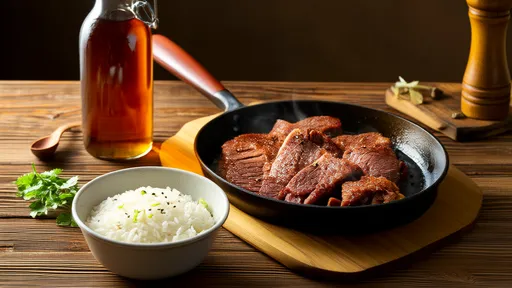
In the quiet corners of every kitchen, tucked away among oils and spices, sits a humble bottle of vinegar. Most of us reach for it only when a dish needs a sharp, acidic kick—a dash in dressings, a splash in pickling brines, or a drizzle over fried foods. But to relegate vinegar to the role of a mere souring agent is to overlook its true magic. Beyond its tang, vinegar is a versatile culinary powerhouse, capable of transforming textures and elevating everyday cooking in ways that might surprise you. From tenderizing the toughest cuts of meat to fluffing up grains, this ancient liquid is a secret weapon waiting to be rediscovered.
Food

Ginger: The Time-Honored Ally for Warming the Stomach and Dispelling Cold - Ginger Tea, Ginger Candy, and Ginger Mother Duck, Which Method is the Most Effective?

By /Sep 9, 2025

Ginger has been a trusted companion in kitchens and medicine cabinets across Asia for over two thousand years. Its sharp, spicy aroma and distinctive flavor have made it a staple in culinary traditions, while its therapeutic properties have earned it a revered place in traditional medicine systems like Ayurveda and Traditional Chinese Medicine. From soothing upset stomachs to fighting off winter chills, ginger’s versatility is nearly unmatched in the natural world.
Food

The Transformation of Garlic's Biochemical Weapon": Crushing, Slicing, and Whole Eating, Each with Distinct Flavors and Health Benefits

By /Sep 9, 2025

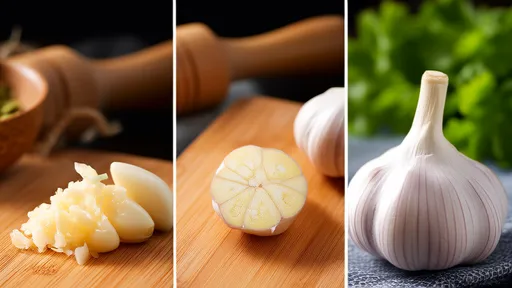
Garlic, that humble bulb nestled in kitchens worldwide, holds secrets far beyond its pungent aroma and sharp flavor. Many of us toss it into pans without a second thought, but the way we prepare garlic dramatically transforms not only its taste but also its health benefits. From the powerful punch of raw crushed cloves to the mellow sweetness of roasted whole bulbs, garlic’s journey from ingredient to "biochemical weapon" is a fascinating tale of chemistry, cuisine, and wellness.
Food

Super Seed" Chia Seeds: To Soak or Eat Dry? How Much Should Be Consumed Daily?

By /Sep 9, 2025

In the ever-evolving landscape of superfoods, chia seeds have firmly established themselves as a nutritional powerhouse, celebrated by health enthusiasts and casual consumers alike. These tiny, unassuming seeds, once a staple of ancient Aztec and Mayan diets, have surged in popularity in modern times due to their impressive nutrient profile and versatility.
Food

Is Virgin Olive Oil Only for Salad Dressing? — Unraveling the Smoke Point Mystery and Grading System"

By /Sep 9, 2025

Many home cooks have long operated under the assumption that extra virgin olive oil is a delicate condiment, relegated solely to the realm of salads and cold dips. The prevailing wisdom warns that its subtle flavors and compounds are destroyed by heat, making it unsuitable for cooking. This belief, however, is a culinary myth that deserves a thorough debunking. The truth about cooking with extra virgin olive oil is far more nuanced and empowering, rooted in an understanding of its chemistry, its official grading, and the practical science of the smoke point.
Food

Konjac: The Zero-Calorie "Satiety Magic" – How to Remove Fishy Odor and Create Delicious Bionic Cuisine

By /Sep 9, 2025

In the world of health foods and dietary innovations, few ingredients have captured the imagination quite like konjac. Known as the zero-calorie "satiety magic," this humble root vegetable has become a cornerstone of modern wellness cuisine, celebrated for its ability to provide a feeling of fullness without the caloric burden. Yet, for all its nutritional virtues, konjac presents a unique challenge to culinary enthusiasts: its distinct, often off-putting fishy odor. Overcoming this hurdle is essential to unlocking the full potential of konjac as a versatile and delicious ingredient in bionic cuisine—a culinary approach that mimics traditional dishes with healthier, plant-based alternatives.
Food

The Summer-Cooling Secret of Mung Beans - Not Just Mung Bean Soup, Sprouting into Bean Sprouts Doubles the Nutrition!

By /Sep 9, 2025

As summer temperatures soar, people across cultures have long turned to a humble legume for relief—the mung bean. While most are familiar with the classic mung bean soup enjoyed in many Asian households during sweltering days, few realize that this unassuming bean holds deeper cooling secrets, particularly when allowed to sprout into what we know as mung bean sprouts.
Food

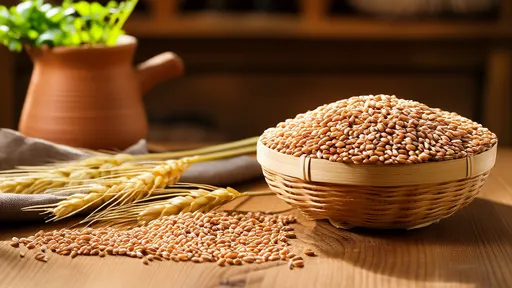
Ancient Grain" Spelt Wheat: More Nutritious and Easier to Digest Than Modern Wheat?

By /Sep 9, 2025

In recent years, health-conscious consumers and nutrition enthusiasts have increasingly turned their attention to ancient grains, seeking alternatives to modern wheat that promise better digestibility and superior nutritional profiles. Among these, spelt wheat has emerged as a popular choice, often hailed as a more wholesome and gut-friendly option. But is spelt truly more nutritious and easier to digest than its modern counterpart? To answer this, we must delve into the history, composition, and scientific evidence surrounding this ancient grain.
Food

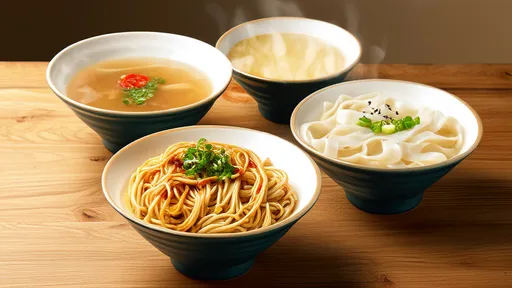
Chinese Noodle Guide: Yangchun Noodles, Ramen, Daoxiao Noodles, Which is More Suitable for Weight Loss?

By /Sep 9, 2025

In the world of Chinese noodles, few dishes are as beloved or diverse as yangchun mian, lamian, and daoxiaomian. Each carries its own history, texture, and culinary appeal, but when it comes to navigating the delicate balance of flavor and nutrition during a weight loss journey, the question arises: which of these iconic noodles might best support your goals? The answer isn't as straightforward as picking one over the others; it hinges on preparation, portion control, and the broader context of how these noodles fit into a mindful eating plan.
Food

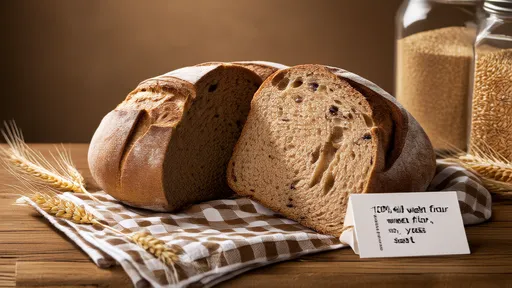
A Guide to Finding Authentic Whole Wheat Bread: How to Read Ingredient Lists and Avoid Fake Whole Wheat"

By /Sep 9, 2025

In the bustling aisles of modern supermarkets, the quest for genuine whole wheat bread often feels like a detective’s mission. Shelves are lined with loaves boasting wholesome labels, rustic packaging, and promises of nutritional virtue. Yet, not all that is brown or grainy is truly whole grain. The rise of "pseudo-whole wheat" products has made it increasingly challenging for health-conscious consumers to distinguish authentic offerings from cleverly marketed imitations. Understanding how to decode ingredient lists is not just a skill—it’s a necessity for anyone committed to making informed dietary choices.
Food

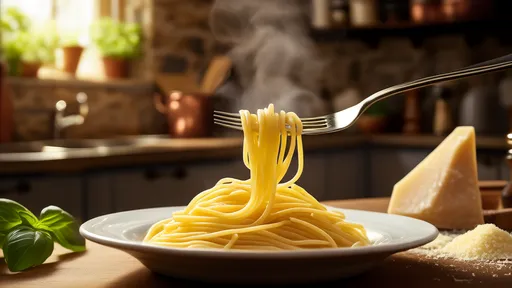
Al dente" Pasta Principle: Traditional Bounce in Your Bite Also Stabilizes Blood Sugar.

By /Sep 9, 2025

There exists a culinary philosophy so deeply embedded in Italian culture that it transcends mere cooking technique to become a way of life. This is the doctrine of "al dente," a term that literally translates to "to the tooth," describing pasta that offers a slight resistance when bitten. Far from being a simple preference for texture, this approach to pasta preparation carries implications that reach into the realms of health, tradition, and sensory pleasure. It is a perfect example of how centuries-old wisdom often aligns with modern nutritional science, creating a harmony between what tastes good and what is good for you.
Food

Intestinal Cleanser" Brown Rice - How to Cook It to Be Soft and Delicious, No Longer Difficult to Swallow?

By /Sep 9, 2025

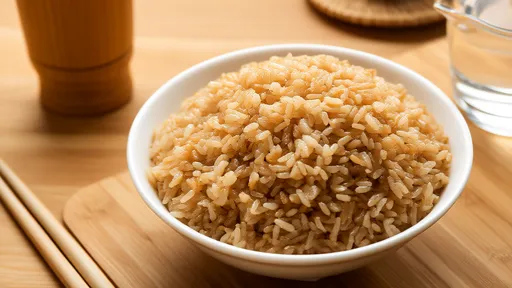
For health-conscious individuals, brown rice often represents a nutritional paradox. While celebrated as nature's intestinal broom—packed with fiber, vitamins, and minerals—its notoriously chewy texture and prolonged cooking time have turned many potential devotees away. The common complaint echoes through kitchens worldwide: how can something so good for you taste so unappealingly tough? The secret lies not in the grain itself, but in the transformative power of proper technique. Unlocking brown rice's full potential requires moving beyond the basic boil-and-simmer method, venturing into culinary approaches that honor its rustic nature while coaxing out a surprisingly tender, nutty, and utterly delicious character.
Food

The Correct Way to Cook Quinoa - Should It Be Rinsed? How Long to Cook? How to Remove Bitterness?

By /Sep 9, 2025

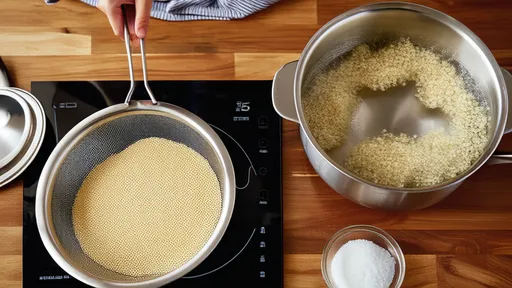
Quinoa has surged in popularity over the past decade, lauded for its impressive nutritional profile and versatility in the kitchen. Yet, despite its widespread adoption, many home cooks still grapple with the fundamentals of preparing it correctly. The questions linger—should you rinse it? How long does it actually take to cook? And perhaps most puzzling of all, how do you tackle that occasional bitter undertone? Getting these details right transforms quinoa from a sometimes-gritty, occasionally bitter side dish into a fluffy, delicate base worthy of any meal.
Food

Oats: The Nutritional Champion of Breakfast - Instant, Quick-Cooking, Steel-Cut, Which Retains the Most Nutrition?

By /Sep 9, 2025

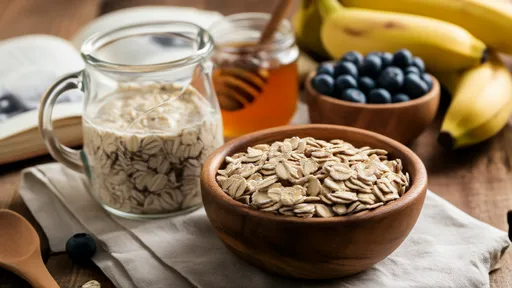
Oats have long been celebrated as a nutritional powerhouse, earning their place as a breakfast staple in households worldwide. Among the various forms available—instant, quick-cooking, and steel-cut—the question of which retains the most nutritional integrity is a topic of considerable interest. The journey from raw oat groats to the final product involves different levels of processing, each impacting the nutrient profile in distinct ways. Understanding these differences can help consumers make informed choices that align with their health goals and dietary preferences.