Garlic, that humble bulb nestled in kitchens worldwide, holds secrets far beyond its pungent aroma and sharp flavor. Many of us toss it into pans without a second thought, but the way we prepare garlic dramatically transforms not only its taste but also its health benefits. From the powerful punch of raw crushed cloves to the mellow sweetness of roasted whole bulbs, garlic’s journey from ingredient to "biochemical weapon" is a fascinating tale of chemistry, cuisine, and wellness.
To understand why preparation matters, we need to peer into garlic’s cellular world. Intact garlic cloves contain a stable compound called alliin and an enzyme named alliinase, stored separately within the cell. This peaceful coexistence shatters the moment we damage the cells—by cutting, crushing, or chewing. The enzyme and compound mix, triggering a rapid chemical reaction that produces allicin, the volatile molecule responsible for garlic’s characteristic sharpness and much of its famed health properties. Allicin is unstable, however, and quickly breaks down into various sulfur-containing compounds, each contributing different flavors and benefits. This cascade means that how we handle the clove—whether we leave it whole, slice it thinly, or crush it to a paste—directly dictates which compounds form, how intense the flavor becomes, and what nutritional perks we reap.
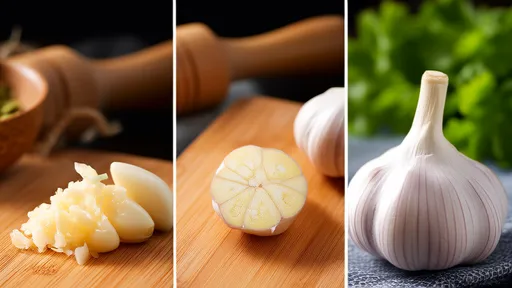
Consider the simple act of eating a whole, unbroken clove. It might sound intense, but if swallowed like a pill without chewing, it offers minimal flavor and little health benefit related to allicin, as the cells remain largely undamaged. The real magic begins when we break the clove apart. Slicing garlic thinly with a knife creates relatively little cell damage compared to crushing. The alliin and alliinase have limited interaction, resulting in a milder, slightly sweet flavor with a gentle aroma—perfect for sautéing where you want a background note rather than a dominant punch. From a health perspective, sliced garlic produces some allicin, but not the explosive amount generated by more aggressive methods.
Crushing garlic, whether with a knife’s flat side, a mortar and pestle, or a specialized press, is where the transformation truly earns its "biochemical weapon" moniker. This method obliterates the cell walls, allowing alliin and alliinase to combine thoroughly and efficiently. The result is a potent burst of allicin, creating that intense, sharp, and spicy raw garlic flavor that can dominate a dish. This is the preparation method championed by health enthusiasts, as it maximizes the potential bioavailability of allicin and its subsequent beneficial compounds. Letting the crushed garlic sit for 10-15 minutes before heating is often recommended, allowing the enzyme reaction to complete fully, ensuring the highest possible level of these valuable compounds before some are inevitably lost to cooking.
Cooking, of course, adds another layer of complexity to garlic’s story. Heat deactivates the alliinase enzyme, halting the production of allicin. This is why cooking methods and timing are crucial. Tossing freshly crushed garlic immediately into a hot pan will give you a different flavor and nutritional profile than letting it rest first. Gentle heating can create new, milder sulfur compounds, while prolonged cooking, like roasting a whole bulb, causes caramelization of the cloves' natural sugars. This process transforms the sharp, pungent raw garlic into a sweet, buttery, and spreadable delicacy with a entirely different—though still beneficial—set of compounds. The health benefits shift from the potent, quick-acting allicin-derived molecules to more stable, long-lasting antioxidants like S-allyl cysteine.
The health implications of these different preparations are significant. The allicin produced from crushing raw garlic is a powerful antimicrobial and antifungal agent, often cited for its ability to combat colds and infections. Its breakdown products have been linked to cardiovascular benefits, such as reducing blood pressure and cholesterol levels, as well as possessing anti-inflammatory and potentially anti-cancer properties. Conversely, the stable compounds formed from cooking, especially from slow, low-heat methods like roasting, are easier for the body to absorb and offer robust antioxidant support, protecting cells from damage over time. There is no single "best" way; each preparation offers a unique spectrum of advantages, making garlic a versatile tool in both the culinary and nutritional toolkit.
Ultimately, the journey of garlic from a whole bulb to a culinary masterpiece is a dance of chemistry. Understanding the simple science behind slicing, crushing, and cooking empowers us to become better cooks and more informed consumers of food for health. We can choose to crush for a potent immune boost in a salad dressing, slice for a subtle aroma in a stir-fry, or roast for a sweet, heart-healthy spread. So the next time you reach for a head of garlic, remember you're not just holding an ingredient; you're holding a miniature biochemical factory, waiting for your command to unleash its unique spectrum of flavors and health benefits onto your plate.
By /Sep 9, 2025
By /Sep 9, 2025
By /Sep 9, 2025
By /Sep 9, 2025
By /Sep 9, 2025
By /Sep 9, 2025
By /Sep 9, 2025
By /Sep 9, 2025
By /Sep 9, 2025
By /Sep 9, 2025
By /Sep 9, 2025
By /Sep 9, 2025
By /Sep 9, 2025
By /Sep 9, 2025
By /Sep 9, 2025
By /Sep 9, 2025
By /Sep 9, 2025
By /Sep 9, 2025
By /Sep 9, 2025
By /Sep 9, 2025
