In the world of Chinese noodles, few dishes are as beloved or diverse as yangchun mian, lamian, and daoxiaomian. Each carries its own history, texture, and culinary appeal, but when it comes to navigating the delicate balance of flavor and nutrition during a weight loss journey, the question arises: which of these iconic noodles might best support your goals? The answer isn't as straightforward as picking one over the others; it hinges on preparation, portion control, and the broader context of how these noodles fit into a mindful eating plan.
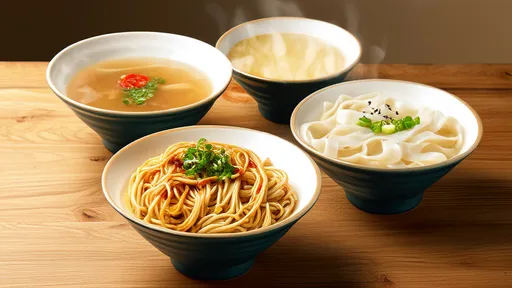
Let's start with yangchun mian, often referred to as "spring sunlight noodles." This dish is the epitome of simplicity in Chinese cuisine. Originating from the Jiangnan region, it typically consists of wheat noodles served in a light, clear broth made from soy sauce, scallion oil, and sometimes a touch of lard or sesame oil. The beauty of yangchun mian lies in its minimalism—there are no heavy meats or rich, calorie-dense toppings to weigh it down. For someone in a caloric deficit, this can be advantageous. The broth is usually low in fat, especially if prepared with modern, health-conscious adjustments like using vegetable stock and minimal oil. However, the noodles themselves are the primary source of carbohydrates, and since yangchun mian relies so heavily on the noodle component without many accompanying vegetables or proteins, it can lead to a rapid spike in blood sugar if consumed in large quantities. To make it more suitable for weight loss, one could opt for a smaller portion, use whole wheat or higher-fiber noodle alternatives, and bulk up the bowl with leafy greens or lean protein like shredded chicken or tofu. In its traditional form, it's relatively light, but it may lack the satiety factor that comes with more balanced meals.
Next, consider lamian, or hand-pulled noodles. This style is famous for its chewy, elastic texture, achieved through a labor-intensive process of stretching and folding the dough. Lamian is often served in hearty beef or mutton broths, topped with slices of meat, radishes, cilantro, and sometimes a spicy chili oil. The broth can be rich and savory, which is delightful for the palate but potentially problematic for calorie counters. A typical bowl of lamian, especially from restaurants, can be quite high in sodium and fats from the meat-based broths and oils. That said, lamian isn't inherently "unhealthy"; it's all about customization. If you're mindful during preparation, you can create a weight-loss-friendly version. For instance, choosing a clear broth instead of a creamy or oily one, loading up on vegetable toppings like bok choy or spinach, and controlling the portion of noodles can transform lamian into a satisfying, protein-rich meal. The hand-pulled noodles themselves are denser and might provide longer-lasting energy due to their texture, which could help with fullness. But in its classic, restaurant-style form, lamian tends to be more calorie-dense than yangchun mian, so it requires more careful consideration during fat loss phases.
Then there's daoxiaomian, the knife-shaved noodle from Shanxi province. These noodles are unique—thick, irregularly shaped, and with a delightfully chewy bite, shaved directly into boiling water from a block of dough. Daoxiaomian is often served with robust sauces or soups, such as a tomato-based broth, minced meat toppings, or stir-fried with vegetables and soy sauce. The thickness of these noodles means they have a lower glycemic index compared to thinner varieties, leading to a slower release of energy and potentially better hunger management. This can be a significant advantage for weight loss, as stable blood sugar levels help curb cravings. However, the accompaniments matter greatly. A daoxiaomian dish loaded with fatty meats and oily sauces will obviously be higher in calories, but if prepared with lean proteins, plenty of vegetables, and light broths, it can be an excellent choice. The noodle's substantial texture also promotes slower eating, which enhances satiety signals. Among the three, daoxiaomian might offer the best balance of satisfaction and nutritional adaptability when tailored correctly.
So, which one is truly "best" for fat loss? It's less about the type of noodle and more about how you approach it. Yangchun mian is the lightest in its traditional form but may need enhancements for fullness. Lamian can be calorie-heavy but is rich in protein if customized wisely. Daoxiaomian, with its low-glycemic properties and chewiness, has inherent satiety benefits but depends heavily on sauce choices. Ultimately, the winner is whichever you can enjoy in a controlled portion, paired with lean proteins and vegetables, and prepared with minimal added fats and sugars. Remember, no single food will make or break your weight loss journey; it's the overall diet that counts. So whether you're slurping yangchun mian on a light day or savoring a veggie-packed daoxiaomian bowl, mindfulness is your greatest tool.
In the end, Chinese noodles like these are not just sustenance—they're a cultural experience. Embracing them during weight loss is about balance, not deprivation. By understanding their characteristics and making smart adjustments, you can enjoy these delicious dishes without derailing your progress. After all, the best diet is one you can sustain happily, and what's happier than a comforting bowl of noodles crafted centuries ago?
By /Sep 9, 2025
By /Sep 9, 2025
By /Sep 9, 2025

By /Sep 9, 2025

By /Sep 9, 2025

By /Sep 9, 2025
By /Sep 9, 2025
By /Sep 9, 2025
By /Sep 9, 2025
By /Sep 9, 2025
By /Sep 9, 2025
By /Sep 9, 2025
By /Sep 9, 2025
By /Sep 9, 2025
By /Sep 9, 2025
By /Sep 9, 2025
By /Sep 9, 2025
By /Sep 9, 2025
By /Sep 9, 2025
By /Sep 9, 2025
