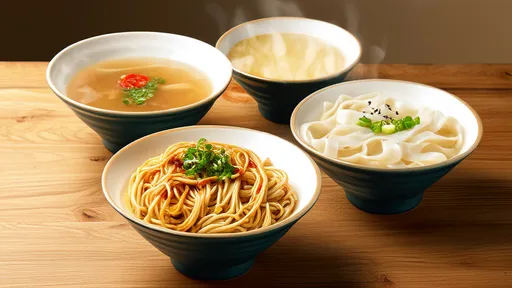
There exists a culinary philosophy so deeply embedded in Italian culture that it transcends mere cooking technique to become a way of life. This is the doctrine of "al dente," a term that literally translates to "to the tooth," describing pasta that offers a slight resistance when bitten. Far from being a simple preference for texture, this approach to pasta preparation carries implications that reach into the realms of health, tradition, and sensory pleasure. It is a perfect example of how centuries-old wisdom often aligns with modern nutritional science, creating a harmony between what tastes good and what is good for you.
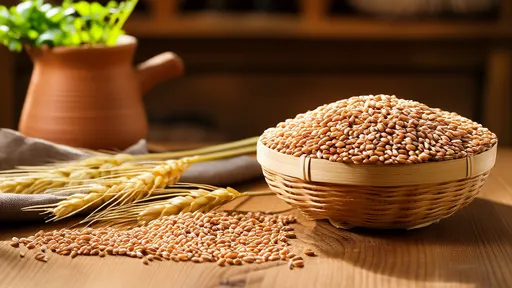
The journey to achieving the perfect al dente texture begins not in the pot, but much earlier, with the selection of the pasta itself. Traditional Italian cooking insists on high-quality durum wheat semolina. This specific type of wheat creates a firm, resilient structure that can withstand the precise cooking time required to reach that ideal state. The water must be as abundant and as salty as the sea, a proverbial saying among nonnas that ensures the pasta cooks evenly and is properly seasoned from within. The moment the pasta is submerged, the clock starts, but it is a clock that must be watched with intuition rather than blind obedience.
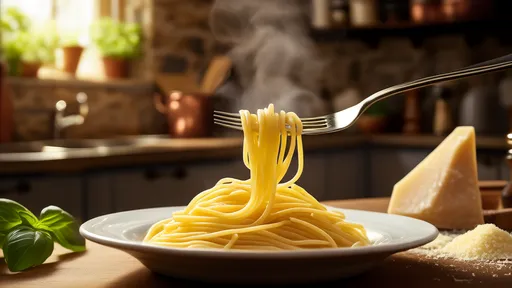
Timing is, of course, critical, but it is not absolute. The minutes suggested on the packaging are a guide, a starting point for a chef's own judgment. The true test is tasting. A few minutes before the indicated time is up, a piece is fished out, cooled slightly, and bitten into. The goal is a firm core, a resistant bite that is often misunderstood by those outside Italy as being undercooked. This is the heart of the al dente principle: it is a state of perfect doneness, not a state of rawness. It is the point where the starch has gelatinized just enough to be edible and enjoyable, while retaining the integrity of its form.
This specific texture does more than please the palate; it has a significant impact on the body's digestive processes. Pasta cooked al dente has a lower glycemic index (GI) compared to pasta that is boiled until soft and mushy. The firm structure means the body's enzymes have to work harder to break down the starch into sugars, leading to a slower, more gradual release of glucose into the bloodstream. This prevents the sharp spikes and subsequent crashes in blood sugar levels that are associated with highly processed and overcooked carbohydrates. For individuals managing diabetes or those simply seeking sustained energy levels, this is not a minor detail—it is a fundamental nutritional benefit.
Beyond the science of blood sugar, the act of eating al dente pasta engages the body differently. The need to chew thoroughly is inherent in the experience. This act of mastication is the first and crucial step of digestion, signaling the stomach to prepare for food and allowing for better nutrient absorption. It also promotes a feeling of satiety, helping to regulate portion control naturally. One tends to eat slower, savoring each bite, which allows the brain to register fullness before overeating occurs. In a world of fast food and hurried meals, al dente pasta encourages a return to mindful eating.
The cultural weight of al dente cannot be overstated. In Italy, serving overcooked pasta is not just a culinary misstep; it is a sign of disrespect to the ingredients and the guests. It represents a carelessness, a failure to pay attention to the details that transform simple ingredients into a masterpiece. This reverence for texture is a cornerstone of the Mediterranean diet, consistently hailed as one of the healthiest eating patterns in the world. It is a diet built not on restriction, but on the high quality and perfect preparation of wholesome foods.
Embracing the al dente method is therefore an embrace of a holistic philosophy. It connects the eater to a rich cultural heritage that values quality over quantity and patience over haste. It is a choice that benefits the body by providing a more stable source of energy and promoting better digestive health. Most importantly, it elevates the simple act of eating pasta into a more engaging, satisfying, and truly authentic experience. It is a testament to the idea that the right way to cook is often the way that has been practiced for generations, yielding results that are as beneficial to our health as they are to our souls.
So the next time you set a pot of water to boil, remember that you are engaging in more than just making dinner. You are participating in a tradition that honors the ingredient, respects the body, and delights the senses. Listen for the boil, salt the water generously, but most importantly, trust your teeth. That slight resistance, that perfect bite, is where flavor, tradition, and well-being converge on the end of your fork.
By /Sep 9, 2025

By /Sep 9, 2025
By /Sep 9, 2025

By /Sep 9, 2025

By /Sep 9, 2025

By /Sep 9, 2025
By /Sep 9, 2025
By /Sep 9, 2025
By /Sep 9, 2025
By /Sep 9, 2025
By /Sep 9, 2025
By /Sep 9, 2025
By /Sep 9, 2025
By /Sep 9, 2025
By /Sep 9, 2025
By /Sep 9, 2025
By /Sep 9, 2025
By /Sep 9, 2025
By /Sep 9, 2025
By /Sep 9, 2025
